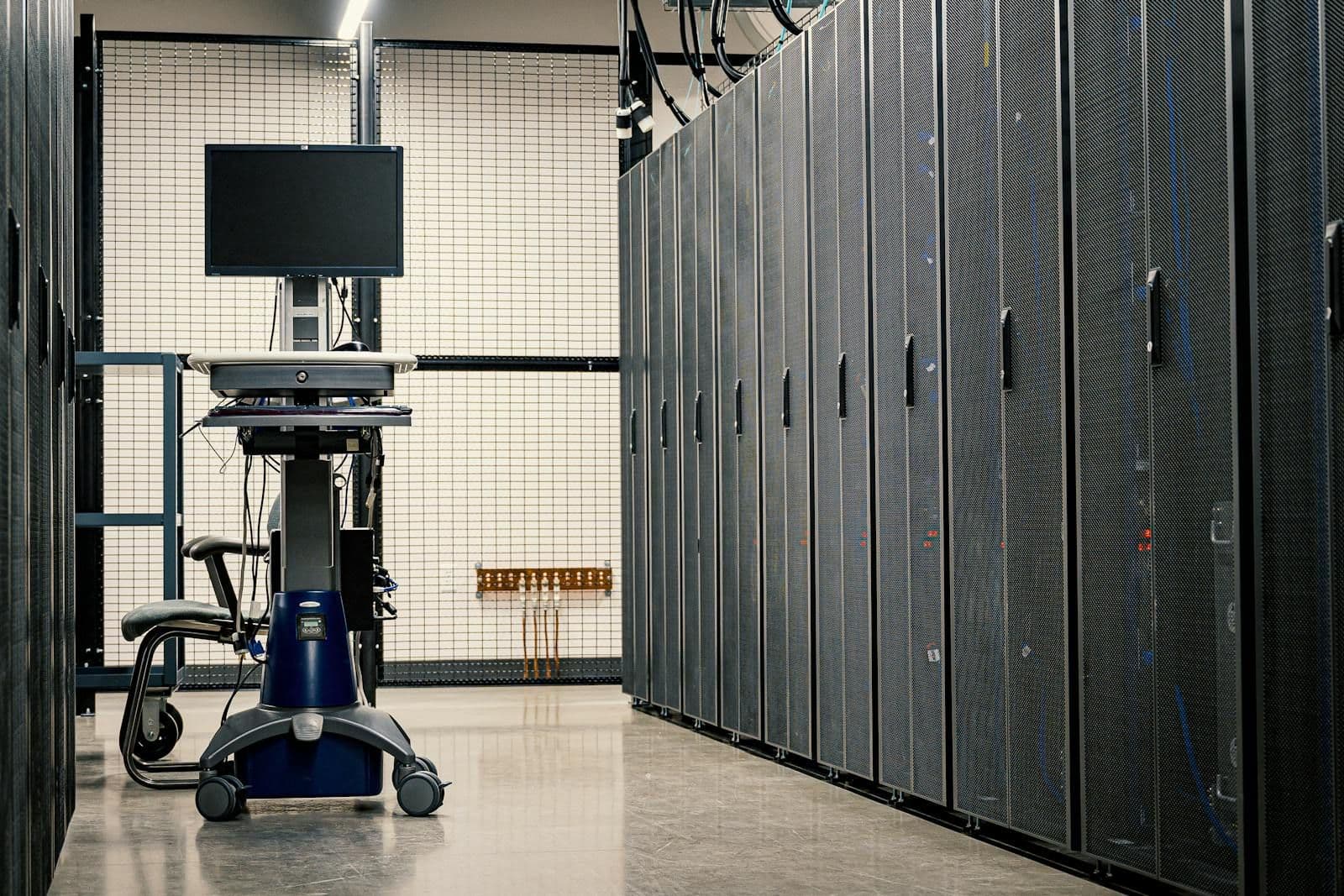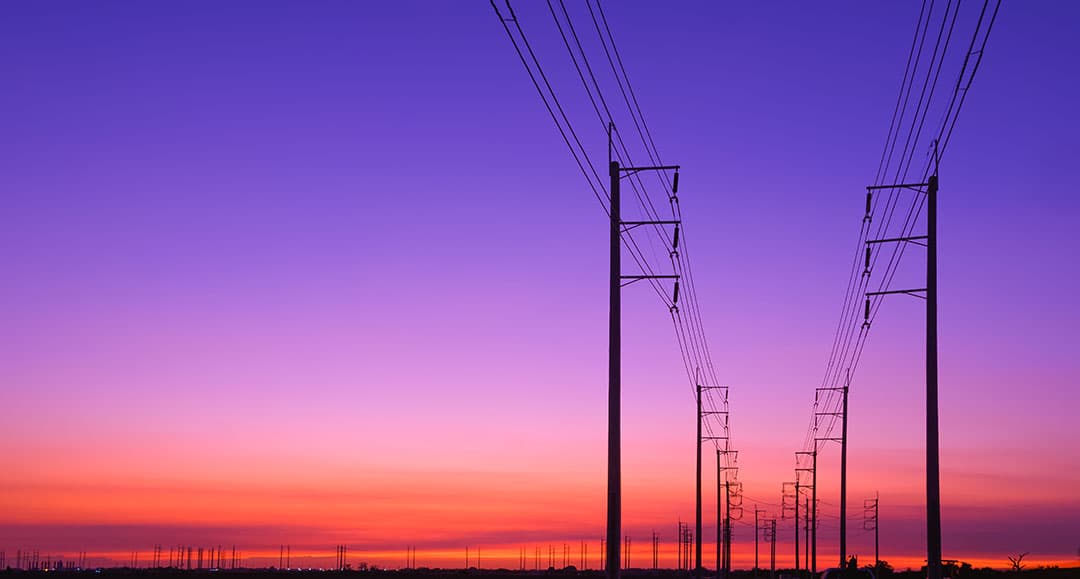



The rapid expansion of AI workloads is doing more than filling data centers - it's fundamentally reshaping how infrastructure gets financed, developed, and delivered. What was once a niche sector dominated by a handful of hyperscale operators has become one of the most active investment categories in global real assets, attracting capital from sovereign wealth funds, pension systems, private equity, and infrastructure-focused institutional investors.
For investors watching this shift, the opportunity increasingly lies not with the technology companies consuming the compute, but with the developers building the physical infrastructure behind it. Power, land, fiber, water, and construction capacity have become the true bottlenecks - and the companies that can secure and deliver those resources are positioned to capture outsized value as demand accelerates.
The Infrastructure Layer
The narrative around AI investment has largely focused on chips, models, and the companies training them. But the physical infrastructure required to support those workloads has emerged as its own distinct investment category - one with different risk profiles, return characteristics, and competitive dynamics than the technology layer above it.
Data centers are, at their core, power delivery systems. A facility's value is determined primarily by its ability to receive, distribute, and manage electrical power at scale - a capability that depends on utility relationships, grid capacity, and the engineering and construction expertise needed to connect all of it. These are infrastructure challenges, not software challenges, and they require infrastructure expertise to solve.
Nerd Power is emerging as one of the strategic players in this space. The company links power infrastructure directly to data center development, drawing on deep experience across large-scale energy projects to bridge the gap between site acquisition and operational delivery. It's a model built on the recognition that AI's growth depends on physical infrastructure - and that physical infrastructure depends on teams who know how to build it.
Capital Seeking Execution
The influx of institutional capital into the data center sector has created both opportunity and risk. Money is moving faster than many developers can absorb it - a dynamic that has historically led to overcommitment, project delays, and capital impairment in other infrastructure sectors.
Investors familiar with these patterns are beginning to differentiate between developers based on execution capability rather than pipeline announcements. The question is shifting from "how many megawatts are in your pipeline?" to "how many megawatts have you actually delivered?" It's a distinction that favors operators with real construction management experience, established utility relationships, and a track record of completing projects - not just announcing them.
Nerd Power's nearly 10,000 completed energy and efficiency projects represent exactly the kind of execution history that institutional capital is seeking. These aren't conceptual projects or early-stage developments. They're completed engagements - each one requiring coordination with utilities, management of construction teams, and delivery against defined timelines and budgets. That cumulative experience translates into operational systems and workflows that are difficult for newer entrants to replicate.
Market analysts tracking the sector note that the distinction between "digital infrastructure" and "energy infrastructure" is quickly disappearing. The firms best positioned for the next cycle are those operating at the intersection of both - with the execution capability to move from signed agreements to energized campuses.
Scale of Opportunity
The numbers are hard to overstate. Industry projections suggest that U.S. data center capacity will need to roughly double over the next five years to meet projected AI and cloud demand. Some estimates place the total capital required to build that capacity at more than $500 billion globally. And those figures continue to be revised upward as AI workloads grow faster than most forecasters anticipated even twelve months ago.
For infrastructure developers, this timeline represents both urgency and opportunity. The companies that can move quickly - securing power, closing land positions, and beginning construction while competitors are still in the planning phase - will capture a disproportionate share of what may be the largest infrastructure buildout since the national highway system.
But speed alone isn't sufficient. The projects attracting the most institutional capital are those developed by teams that combine velocity with discipline - developers who can move fast without cutting corners on utility coordination, environmental compliance, or construction quality. It's a combination that requires operational maturity, not just ambition.
Looking Forward
Investors increasingly describe the current moment as an inflection point - the early stages of a multi-decade infrastructure investment cycle driven by AI, cloud computing, and the digitization of virtually every sector of the global economy. The companies that establish themselves as trusted development and execution partners during this window will likely define the sector for years to come.
For companies like Nerd Power, with deep energy roots and growing data center capabilities, that window represents a chance to demonstrate that operational experience may matter more than anything else on the balance sheet. In a market where capital is abundant but execution is scarce, the infrastructure builders - not just the infrastructure dreamers - are the ones investors are watching most closely.