

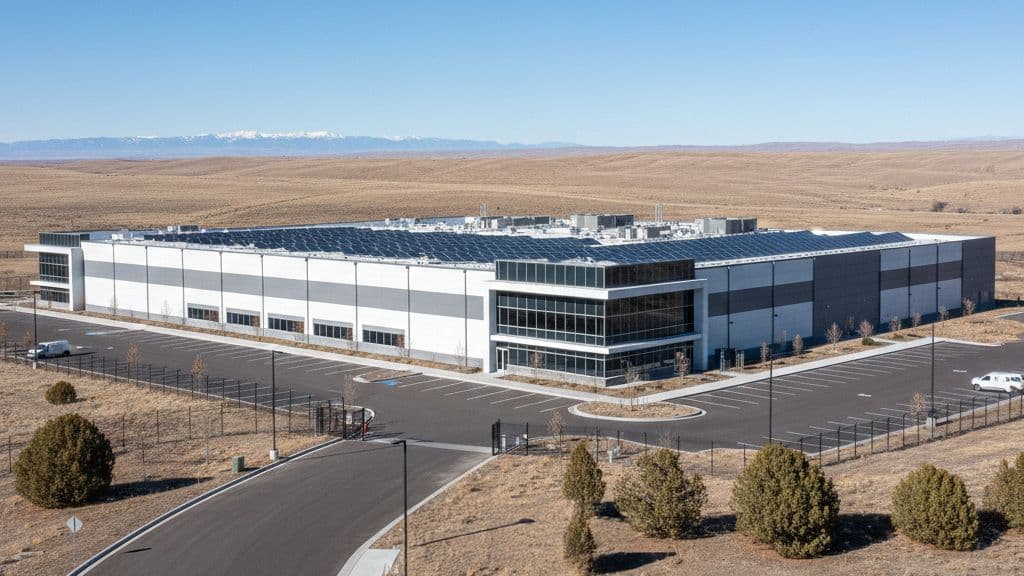
Across the country, counties and towns are being asked to weigh data center proposals - often for the first time, often on short timelines, and often from developers they've never heard of. The questions community leaders ask are the right ones: What does this actually bring us? What does it cost us? And can the people making the promises actually deliver?
Communities deserve straight answers to all three. Here is how Nerd Power thinks about them.
Jobs, During Construction and After
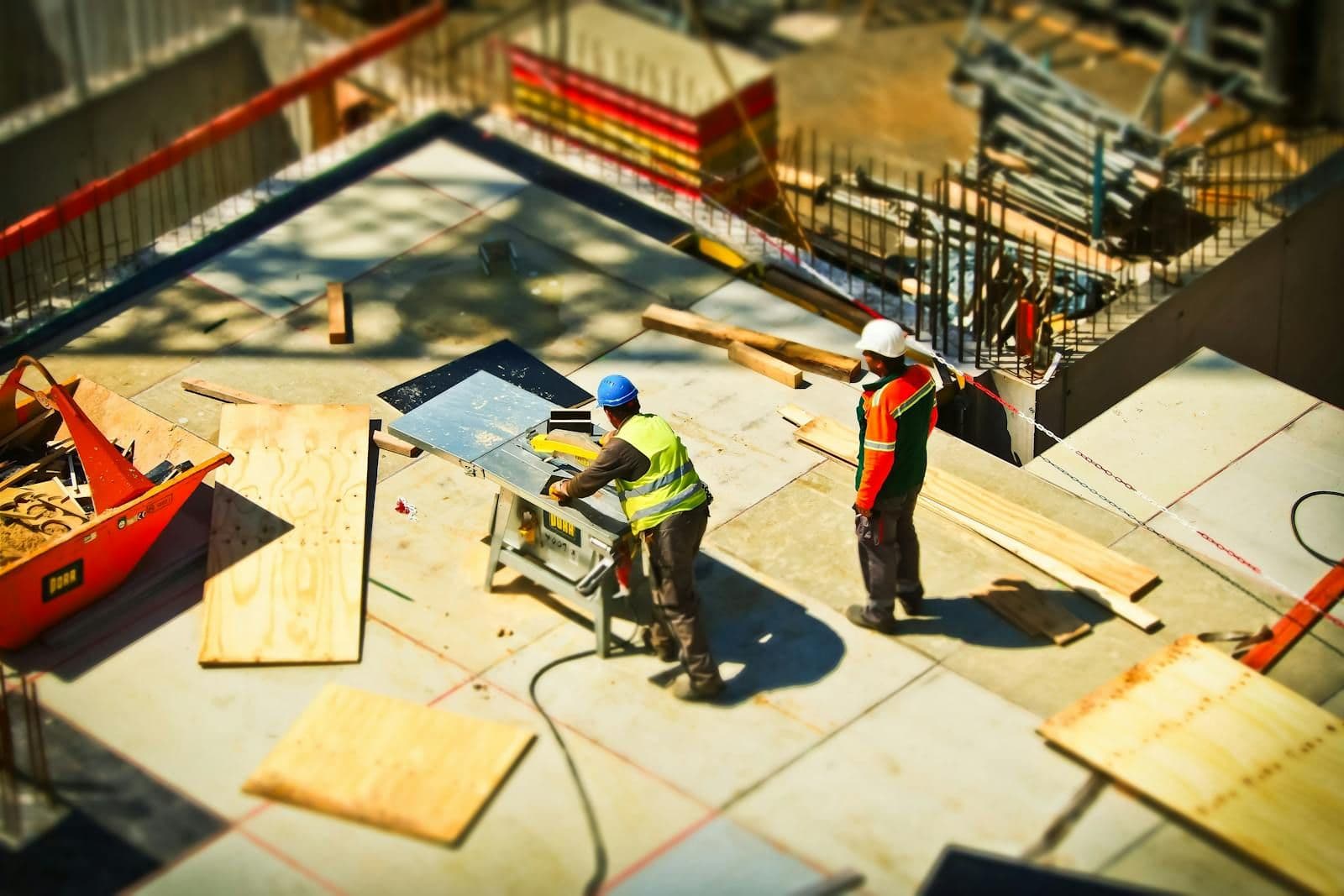
A data center creates two distinct waves of employment. The first is the build itself: electricians, concrete and steel trades, mechanical contractors, and the dozens of supporting crafts a major construction program employs, typically over a year or more. The second is permanent: skilled operations, maintenance, and security roles that last for the life of the facility.
Neither wave happens by accident. Local hiring has to be planned - through relationships with area trade contractors, community colleges, and workforce programs - and it has to be planned early. Nerd Power treats workforce development as part of site planning, not something bolted on after approval.
A Tax Base That Outlasts the Build
Data centers are among the most capital-intensive facilities built anywhere, and that capital shows up on the property tax rolls for decades. For a host county, that means durable revenue for schools, roads, and public services - from a neighbor that places comparatively light demands on those same services. No new classrooms to build, modest traffic, and a facility with every incentive to be a stable, long-term taxpayer.
The honest version of this story also includes what a community should scrutinize: abatement terms, infrastructure commitments, and what happens at the end of any incentive period. A developer who plans to stay should welcome those questions.
Power Stewardship Comes First
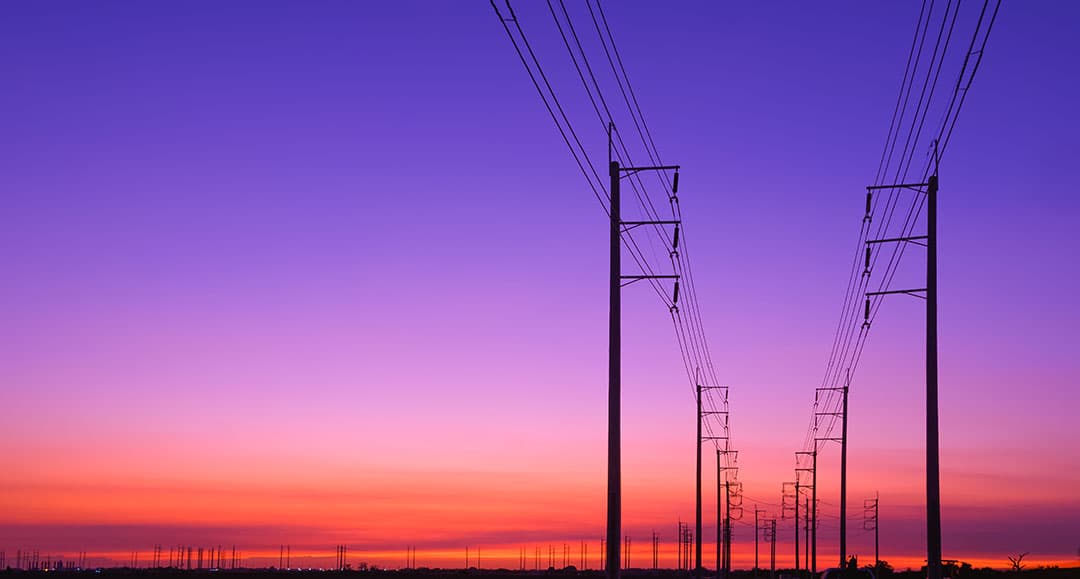
The most common concern communities raise about data centers is the grid - and it is a fair concern. A facility that strains local power infrastructure or pushes costs onto ratepayers is a bad neighbor, whatever its tax contribution.
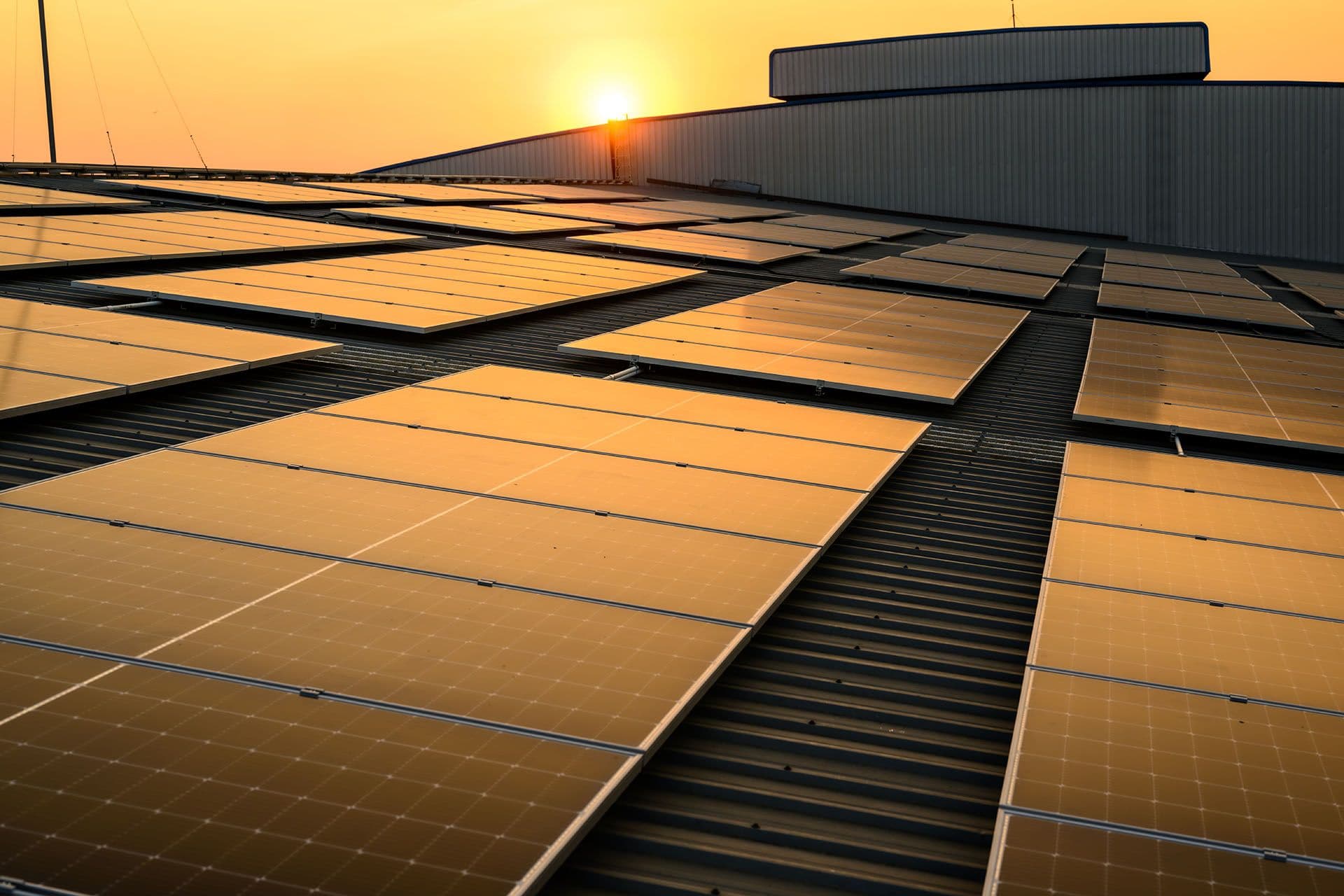
This is where Nerd Power's background matters most. We come from power: generation, storage, substations, and utility interconnection are our core disciplines. We plan projects so that the energy story works for the community - coordinated with the utility from day one, supported by generation and storage where it strengthens the local system, and sized to what the grid can genuinely support.
Discipline Is a Form of Respect
The data center industry has a credibility problem of its own making: projects announced before power is secured, timelines that slip by years, and communities left holding rezonings for facilities that never break ground.
Nerd Power advances projects only when power, land, and utility coordination are real. We would rather tell a community "not yet" than announce something we cannot verify. A decade and more than 10,000 completed projects have taught us that the announcement is the easy part - and that trust, once spent, is not refundable.
An Owner, Not a Flipper
Where Nerd Power owns and operates the compute inside its facilities, our incentives and the community's converge: we succeed only if the facility runs well for decades. That changes how we choose sites, how conservatively we engineer, and how seriously we take the relationships around us. We are not assembling entitlements to sell; we are building things we intend to run.
What to Ask Any Data Center Developer
Whether or not that developer is us, we believe every community evaluating a proposal should ask:
- Is the power real - confirmed with the utility, not assumed?
- What is the plan for local hiring, during construction and in operations?
- What happens to the site if the project stalls - and who bears that risk?
- Will the developer own and operate the facility, or sell it on completion?
- Can they point to completed projects - not announcements - at comparable complexity?
A developer with good answers will not mind the questions. We welcome them, and we're glad to have the conversation with any community thinking through what data center development could mean for them.